Annette’s state after her breakup
Cœur de slushAnnette’s state after her breakup is the aftermath of losing Louis, the boy who had been her first love and constant companion since childhood. When he tells her that his feelings have changed and that he wants to be with other girls, the gentle future Billie once saw for her sister gives way to heartbreak, anger, and a deliberately defiant display of desire. Annette’s wound also shapes how she tries to protect Billie: she speaks from painful experience, even when her warnings seem to underestimate her younger sister.
The relationship with Louis
Annette and Louis had been in love since they were eleven or twelve. Louis, their Belgian neighbor, was two years older, patient, muscular, and accustomed to working in nearby fields; in Billie’s childhood recollection, he was also reliably present. He supported Annette through the start of secondary school, comforted her over an adolescent pimple, and assured her she was beautiful even with braces. His calm attention made him seem to look at her with stars in his eyes.
Their shared history gave the relationship the shape of a first romance that had grown alongside them. Louis was Annette’s first kiss, or “french,” and the two experienced together her first drunken night, prom, the death of the family dog Ciseau, her start at college, and their parents’ divorce. Billie remembers them as gentle and seemingly perfect, like a film couple headed toward a happy ending. That idealized history makes Louis’s departure feel not like the end of a passing flirtation but the rupture of a bond woven through Annette’s adolescence.
The breakup and its immediate aftermath
The break came on a winter evening, a Tuesday Billie remembers because she was returning from school. Louis told Annette by telephone that the butterflies were gone and that he wanted to make love to other girls to catch up on lost time. The explanation made the separation especially painful: Annette was not simply told that the relationship had changed, but that Louis wanted other bodies.
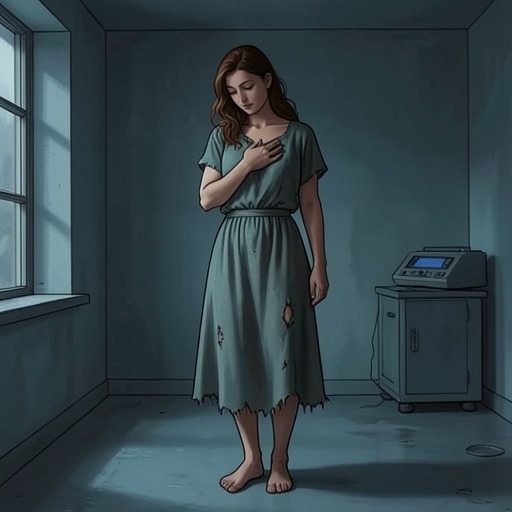
Billie remembers Annette arriving in her bedroom with a swollen, red, tear-wet face and black mascara running down her cheeks. The image gives the breakup a physical aftermath, visible before Annette’s anger can cover it. Billie understands the rejection as a blow to both pride and heart, made harder by the struggle to feel comfortable with oneself at their age.
Afterward, Annette’s mouth is described as being on fire, as though she were retaliating against Louis and competing with him. The image links her visible pursuit of new romantic attention to the hurt beneath it; Billie sees the performance as an effort to answer the rejection, not evidence that Annette has simply recovered. In the same conversation, Billie is angry with Annette but recognizes that the older sister’s caution comes from knowing what this kind of heartbreak can do.
Protection and its limits
Annette’s experience informs her attempt to protect Billie from “almost-men” her own age and their stone hearts. Billie can see the loving intention, and says she cannot remain angry for long: Annette knows what she is talking about. Yet she also feels that Annette generalizes from her own injury and underestimates her younger sister’s adolescent resilience. Their disagreement therefore holds two truths at once: Annette’s warning is grounded in genuine loss, while Billie does not want that loss to define what she can bear or desire.
The breakup also becomes a point of reference as Billie considers her own inexperience and sexual choices. When the subject of whether she has ever made love comes up, the question places her experience against the adult world Annette’s heartbreak has made vivid. Later, Billie recognizes that she wants intimacy with Pierre even while expecting that he will never love her, and tries to distinguish bodily desire from the larger romantic feelings she wants to keep private. Annette’s story does not determine Billie’s decisions, but it gives those decisions a painful precedent: wanting someone and being loved by them are not necessarily the same thing.
Narrative significance
Annette’s state after the breakup is presented through Billie’s memory and interpretation rather than through an extended account of Annette’s private recovery. The contrast between the sisters’ reactions matters: Annette answers rejection with anger and a show of moving on, while Billie both resents her caution and learns from the wound behind it. The remembered Tuesday phone call thus travels beyond the couple’s separation, shaping the sisters’ conversation about love, bodily experience, and the risks of trusting a first romance.